Data Governance is not a tool problem
Say “data classification” or “retention” today and most people think of modern platforms.
Microsoft Purview. Unity Catalog. DLP workflows. Automated labels. Compliance dashboards.
Useful tools, absolutely.
But they are only the last 5% of the story.
The concepts behind classification have been around for a long time: understanding information, marking it, protecting it, controlling who can see it and knowing how long to keep it.
That discipline existed long before cloud platforms and automated governance tools.
It takes me back to my Rolls-Royce days in Derby, writing thermal-mechanical engineering reports. The front page of a report already told you what you needed to know: security classification, export-control rating, retention category and handling instructions.
No cloud.
No automation.
Just disciplined engineering practice.
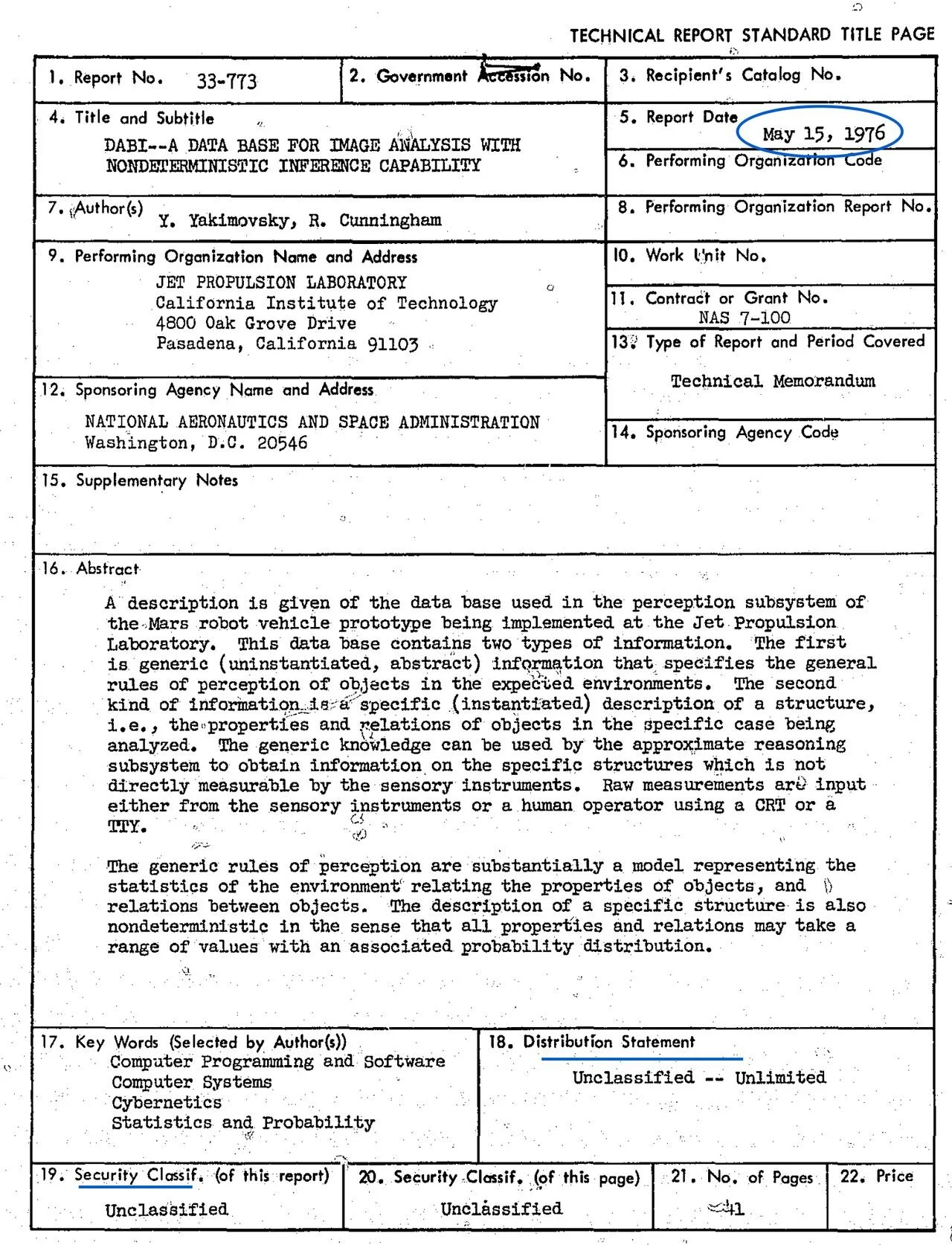
Look even further back and the pattern is clear. Ministry of Aviation and NASA technical reports from the 1960s often carried protective markings, distribution restrictions and export-control notices.
Paper files. Blueprints. Physical distribution lists.
Different medium, same fundamentals.
The Three Pillars Still Matter
The fundamentals of good information governance still rest on three things:
People
Process
Technology
In that order.
Technology helps us scale. It can automate, detect, label, alert and report.
But without trained people and clear processes, even the best platform will not make classification work.
A tool can apply a label.
It cannot, by itself, create judgement, ownership or discipline.
Tools Scale Discipline
This is why the starting point for better governance is not a platform purchase.
It is understanding what information you hold, why it matters, who owns it, how it should be handled and what decisions people need to make.
Then the technology has something useful to support.
Modern platforms like Purview are powerful. But they work best when they are built on clear rules, real ownership and practical ways of working.
The lesson is simple:
Tools scale discipline. They do not create it.
For organisations trying to improve data governance maturity, that is the bit worth remembering.
Start with the fundamentals.
Then let the tools help you scale.
